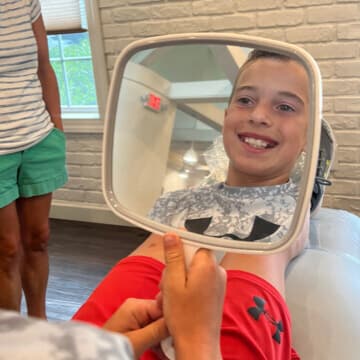

Living with braces in Clemson or Seneca can be exciting because you know your smile is on the way to a healthier and more confident look. At the same time, the process can come with moments of soreness or irritation.
Dr. Mark McInnis and the team at Upstate Orthodontics want their patients to know what causes discomfort and how to manage it in a way that keeps treatment on track and life running smoothly. With lots of technological tools, the team makes your treatment more comfortable than ever. Still, it helps to know what to do when your braces feel tight, tender, or irritating. This guide walks you through common causes of discomfort and the most effective ways to address them at home.
Understanding Why Braces Can Cause Discomfort
Most patients in Clemson and Seneca experience tenderness or tightness when braces are first placed or after an adjustment. This discomfort is normal and temporary. Metal braces and clear braces both work by applying gentle pressure to move your teeth, and that pressure is what causes sensitivity. When you know what to expect, it becomes easier to manage the process with confidence.
How Long Does Discomfort With Braces Last?
Discomfort is typically strongest during the first 24 to 48 hours after an adjustment. It usually fades within three to five days. Your teeth are simply adjusting to new pressure. If you are ever unsure whether what you are feeling is normal, you can always contact Upstate Orthodontics in Clemson or Seneca for reassurance or guidance.
What Causes Irritation Inside the Mouth?
Your cheeks, lips, and gums need time to get used to brackets and wires. Brackets may rub against soft tissues during the first few weeks, especially while talking or eating. Although this can be annoying, your mouth toughens as it adapts. Orthodontic wax and proper brushing techniques can make those early days far more comfortable.
Tips to Manage Discomfort with Braces
This section focuses on practical strategies patients can use at home to manage discomfort with braces. These remedies are easy, effective, and recommended by Dr. Mark McInnis and the Clemson and Seneca Upstate Orthodontics team.
Use Orthodontic Wax for Irritated Spots
Orthodontic wax is one of the simplest and most effective tools for reducing irritation. If a bracket or wire is rubbing your cheek or lip, roll a small piece of wax between your fingers and press it onto the irritating area. It creates a smooth barrier that helps your skin heal. Upstate Orthodontics provides wax during your initial visit, and you can request more at any time.
Take Over-the-Counter Pain Relievers
Short-term discomfort responds well to common pain relievers such as acetaminophen or ibuprofen. These are helpful right after an adjustment when teeth feel particularly sensitive. Dr. McInnis recommends taking a dose just before bed to help you sleep comfortably on adjustment days. Always follow dosage instructions or check with your physician if you have any medical conditions.
Eat Soft Foods When Teeth Feel Tender
Eating soft foods is one of the best ways to manage discomfort with braces during sensitive periods. Soups, smoothies, pasta, yogurt, scrambled eggs, steamed vegetables, mashed potatoes, and oatmeal are gentle on your teeth. Clemson and Seneca patients often find that choosing soft meals for just a day or two makes a noticeable difference.
Use a Saltwater Rinse to Soothe Soreness
Warm saltwater rinses help reduce irritation and promote healing. Mix one teaspoon of salt into a cup of warm water and gently swish for thirty seconds. Repeat three to four times a day. This natural remedy is especially helpful when the inside of your mouth feels raw or sore from new braces.
Apply a Cold Compress to Reduce Pressure
Using a cold compress on your cheek can reduce inflammation and help soothe pressure. Hold it along the outside of your jaw for about ten minutes. This technique is particularly helpful after adjustment appointments in Clemson or Seneca.
Keep Up with Oral Hygiene to Prevent Additional Soreness
Food particles left behind can make your mouth feel more tender, so brushing and flossing carefully is essential. Upstate Orthodontics uses intraoral scanners, Digital Custom Braces, and advanced bracket technology that make oral hygiene easier, but you still need to clean thoroughly. Use a soft-bristle brush and consider adding an interdental brush or water flosser to keep everything clean and comfortable.
Try Orthodontic Gels for Gum and Cheek Relief
Topical gels can help numb irritated spots temporarily. These can be found in most drugstores and provide relief when you need it most. Use them as directed and avoid eating until the gel has settled so it stays in place longer.
Stay Hydrated to Improve Comfort
Dry tissues are more prone to irritation. Drinking plenty of water throughout the day keeps your mouth comfortable and supports oral health. If you are active around Clemson or Seneca or spend time outdoors, hydration becomes even more important.

Office Features That Make Treatment More Comfortable
Upstate Orthodontics is known throughout Clemson and Seneca for using advanced orthodontic technology that improves comfort and efficiency. When you understand the tools your orthodontist uses, it becomes easier to appreciate how your treatment is designed with comfort in mind.
Digital Custom Braces for a Precise Fit
Digital custom braces allow Dr. McInnis to design individualized bracket placement for every patient. This leads to smoother movements, reduced soreness, and a more efficient treatment plan.
Intraoral Scanners and CBCT Imaging
These tools replace old-fashioned impressions and provide detailed views of your teeth and bite. A more accurate picture means more accurate adjustments, which helps reduce unnecessary pressure and discomfort.
Dental Monitoring and Remote Check-ins
Remote monitoring technology lets Clemson and Seneca patients stay connected to their orthodontist without extra office visits. You can receive feedback between appointments and catch issues early, which helps maintain comfort throughout treatment.
Custom Wire Bender and 3D Printed Appliances
Upstate Orthodontics uses a CAD-CAM Wire Bending robot and 3D printed appliances to create highly precise wire shapes and aligners. This customization leads to smoother tooth movement and less irritation.
How to Know When to Call Dr. McInnis
If discomfort does not improve after a few days, trust your instincts. The team at Upstate Orthodontics always encourages patients to reach out. You should call the Clemson or Seneca office if:
- Your wire is poking your cheek or lip
- A bracket comes loose
- You experience swelling that does not decrease
- Pain is severe or lasts longer than one week
- Something feels off with your bite or tooth alignment
Routine discomfort is normal, but ongoing discomfort is not. The team is always willing to help you feel better quickly.

Upstate Orthodontics – Gifting You a Beautiful and Healthy Smile
Managing discomfort with braces becomes much easier when you know what to expect and how to handle it. With simple tools like orthodontic wax, soft foods, and saltwater rinses, plus advanced technology from Upstate Orthodontics, patients can stay comfortable and confident at every stage of treatment. Dr. Mark McInnis and his team are there to guide you through the process so your braces journey feels less overwhelming and more rewarding.
Ready to get started on your own orthodontic journey? Schedule a free consultation with us at our Clemson or Seneca office today – we’d love to hear from you!